|
|
Last
Modified on
Jul 08, 2026
If you have been involved in a serious accident, you are likely facing physical, emotional, and financial challenges. When learning about your options for recovering compensation, you may find information about catastrophic injury claims and potential options for compensation that can support your recovery. However, you may be left wondering, “What makes an injury catastrophic under North Carolina law?”
Catastrophic injuries can vary, and there is no precise legal definition that is used in a personal injury case. Instead, each case is evaluated individually, through evidence such as medical records and the testimony of medical professionals. However, there are broad definitions and examples of catastrophic injuries that may help you understand how courts evaluate a catastrophic injury claim.
An Overview of Catastrophic Injuries
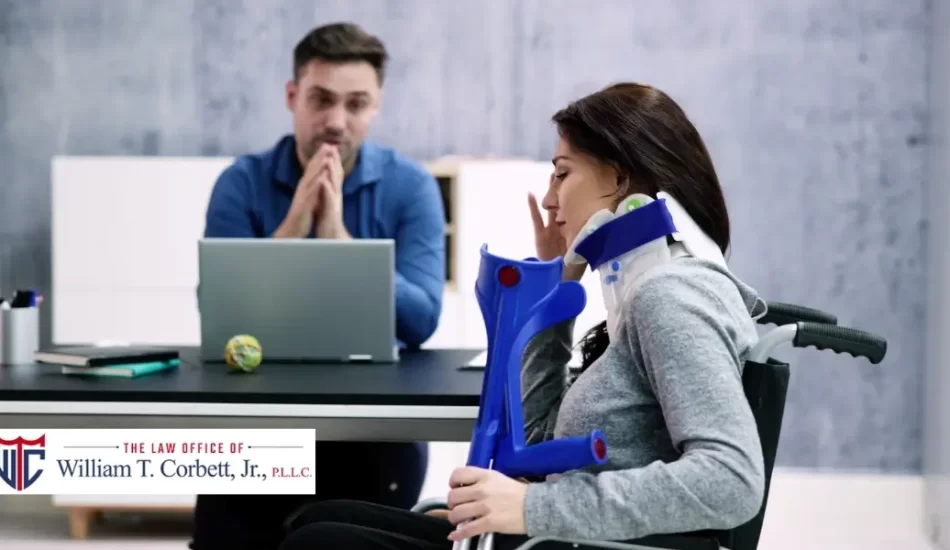
Catastrophic injuries involve severe injuries that result in a permanent disability or significant disfigurement. These injuries often require years of medical care and can dramatically affect every aspect of your life. Some of the lasting impacts victims may face include:
- Ongoing physical pain
- Mobility limitations
- Cognitive impairments
- The inability to return to work
- Strained personal relationships
- High financial costs
The extensive medical care often characterizes a catastrophic injury, including both the emergency treatment and the need for specialized treatment or ongoing care. Hospitals such as the Duke Health Lake Norman Hospital at 171 Fairview Rd, Mooresville, are one example of a facility that often treats catastrophic injuries in North Carolina.
Examples of Catastrophic Injuries
Everyone experiences unique medical conditions after an accident, making it essential to work with a North Carolina catastrophic injury attorney who can tailor your legal strategy in a catastrophic injury claim to your specific injuries. However, some of the most common examples of injuries classified as catastrophic injuries include:
- Traumatic brain injuries (TBIs). TBIs occur when the brain is forced against the inside of the skull or when an object penetrates the skull and enters the brain. Severe TBIs can cause permanent brain damage, affecting memory, speech, and the ability to perform daily activities. Every year, there are about 2.9 million TBI-related emergency department visits in the United States.
- Spinal cord injuries. Spinal cord injuries often happen after serious car accidents or falls from a height. One of the most severe, yet common, consequences of a spinal cord injury is paralysis.
- Amputations. Losing a limb can be one of the most life-altering injuries, requiring you to relearn basic tasks. Often, amputation happens after severe tissue damage due to crush or blast injuries. About 2.3 million Americans currently live with limb loss.
- Severe burns. Every year, there are about 29,165 burn admissions to U.S. hospitals. While many burns are not catastrophic, severe burns can damage more than just the skin, impacting muscles, nerves, and other internal tissues.
- Internal organ damage. A traumatic accident can cause serious internal damage to the heart, lungs, kidneys, or other internal organs. Even after initial treatments, victims often suffer lasting complications with the affected organs.
What to Do If You Have Been Seriously Injured
After suffering a catastrophic injury, your health should be your highest priority. Seek medical treatment and follow your healthcare provider’s recommendations throughout your recovery. Then, you should hire a catastrophic injury lawyer who can investigate your case and begin building a claim against the at-fault party.
Unlike less serious injuries, where you may be able to stay at the scene and gather evidence, catastrophic injuries mean you require more intensive emergency care. Because of this, it is important to work with a North Carolina catastrophic injury attorney who can handle the legal details of your case and speak with witnesses, police officers, medical professionals, and the at-fault party on your behalf.
Why You Should Hire a Catastrophic Injury Lawyer From The Law Office of William T. Corbett, Jr., P.L.L.C.
For more than 30 years, The Law Office of William T. Corbett, Jr., P.L.L.C., has been helping injury victims pursue compensation under North Carolina’s catastrophic injury laws. We provide our personal attention to each client, so your catastrophic injury claim is tailored to your case while remaining compliant with strict catastrophic injury laws.
FAQs
What Qualifies as a Catastrophic Injury?
An injury that involves a high risk of death, causes a permanent disability, or leaves you with significant disfigurement or impairment qualifies as a catastrophic injury. If you are preparing to file a claim, a lawyer can help you prove your catastrophic injury by providing medical records, doctors’ notes, and a healthcare provider’s testimony that can support the severity of your injuries.
Is There a Cap on Pain and Suffering in North Carolina?
No, there is generally not a cap on pain and suffering damages. Instead, the court can evaluate the specific circumstances of your case to determine what a fair amount of compensation for pain and suffering is. To do this, they may look at evidence such as medical records, pain logs, and personal journals, or witness statements from others who witnessed your recovery.
What Causes Catastrophic Injuries?
Catastrophic injuries can be caused by any serious accident. Common accidents include car accidents, truck accidents, falls, workplace accidents, boating accidents, and defective product accidents. No matter what accident you were injured in, it is important to speak with a lawyer to discuss whether you can file a catastrophic injury claim against another party.
Can You File a Catastrophic Injury Claim If You Are Partially At Fault for the Injury?
No, under North Carolina’s pure contributory negligence system, you cannot file a claim if you are found partly at fault for the accident. This is extremely strict, which is why many at-fault parties argue that the victim shares fault for the accident in order to avoid liability. When building a claim strategy, you may have to counter this argument, proving that you were not involved in causing the accident.
Contact The Law Office of William T. Corbett, Jr., P.L.L.C. for Guidance
Catastrophic injuries can be difficult to define, but do not let that hold you back from exploring your legal options. If you are ready to learn about your options for filing a claim after a severe injury, contact The Law Office of William T. Corbett, Jr., P.L.L.C.